
Tinnitus and Dementia: Does Tinnitus Cause Dementia?
Is tinnitus linked to dementia? What large studies found, why hearing loss matters more, and when memory or concentration problems need a doctor.
Published
Free tinnitus app for iPhone and Android
Tinnimizer builds a personal noise from 8 frequencies for each ear and mixes it with your music. Listen every day at a level where your tinnitus is still just audible, and give your brain the chance to tune it out.
Free to download. A support tool, not a medical treatment.
8 frequencies per ear125 Hz to 8 kHz
Noise plus musicmixed the way you like
Hearing check and surveytrack how you are doing
13 languagesguest mode, no sign-up
How it works
Everyone hears tinnitus differently, so a generic rain or white noise track is only a starting point. Tinnimizer starts from your own ears.
A 3 to 5 minute check with headphones in a quiet room shows which tones you hear at each frequency. It is a personal screening, not a diagnosis.
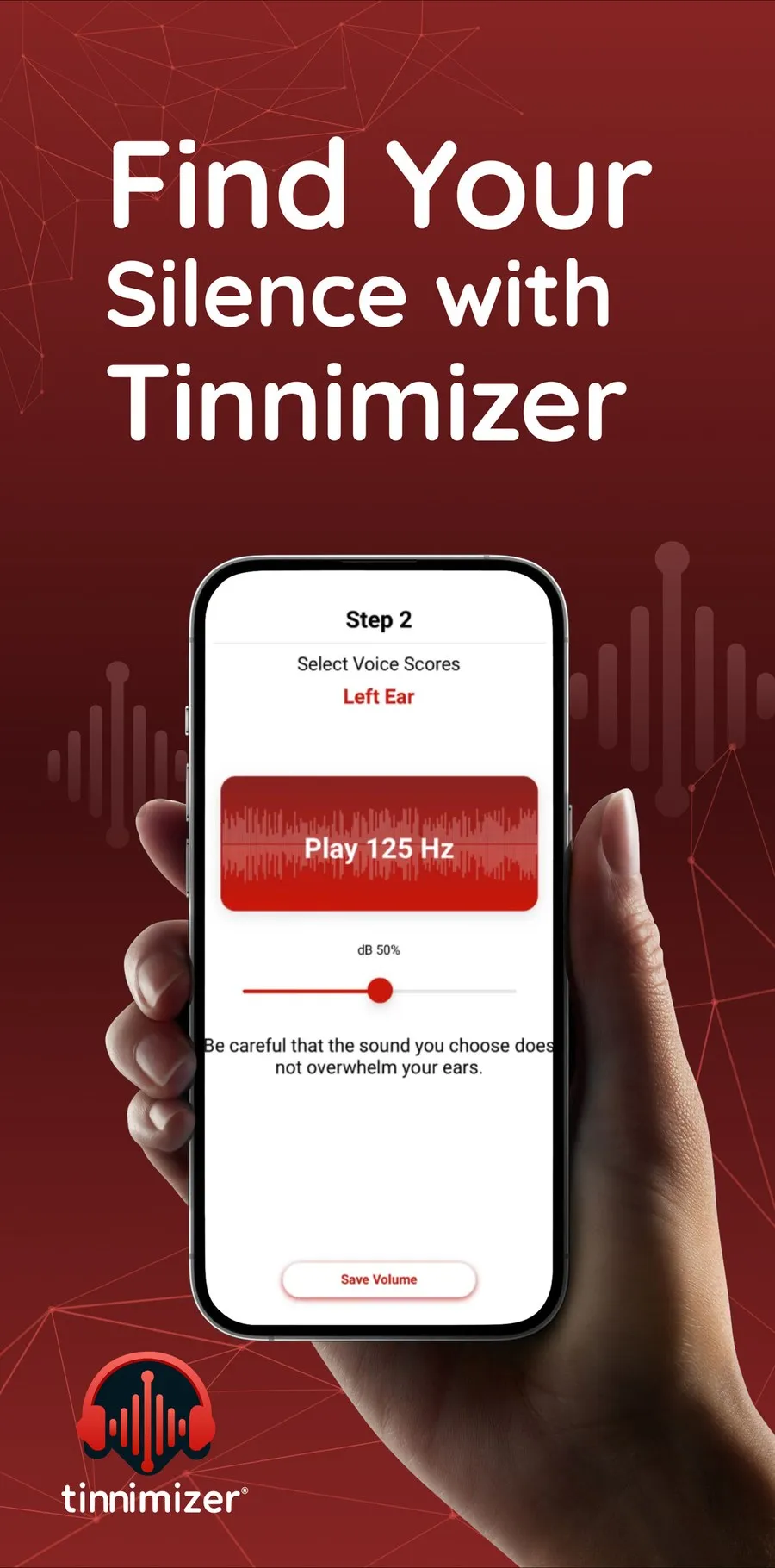
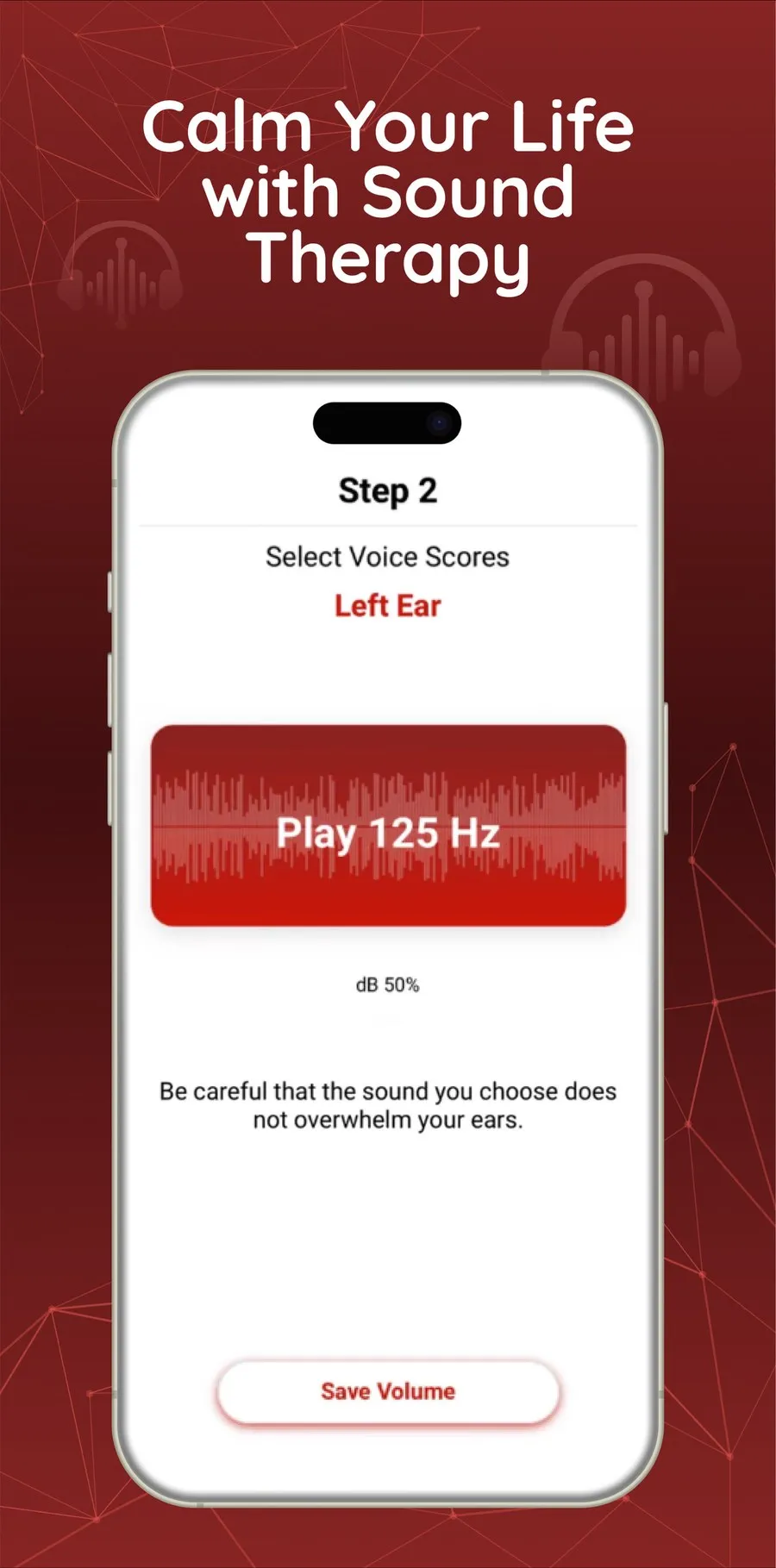
Set a level at 8 frequencies from 125 Hz to 8 kHz, separately for your left and right ear. Keep it just below your tinnitus, so you can still hear it.
Play your sound on its own or under your music, on headphones, for at least an hour a day. It runs while you work, walk or travel.
Inside the app
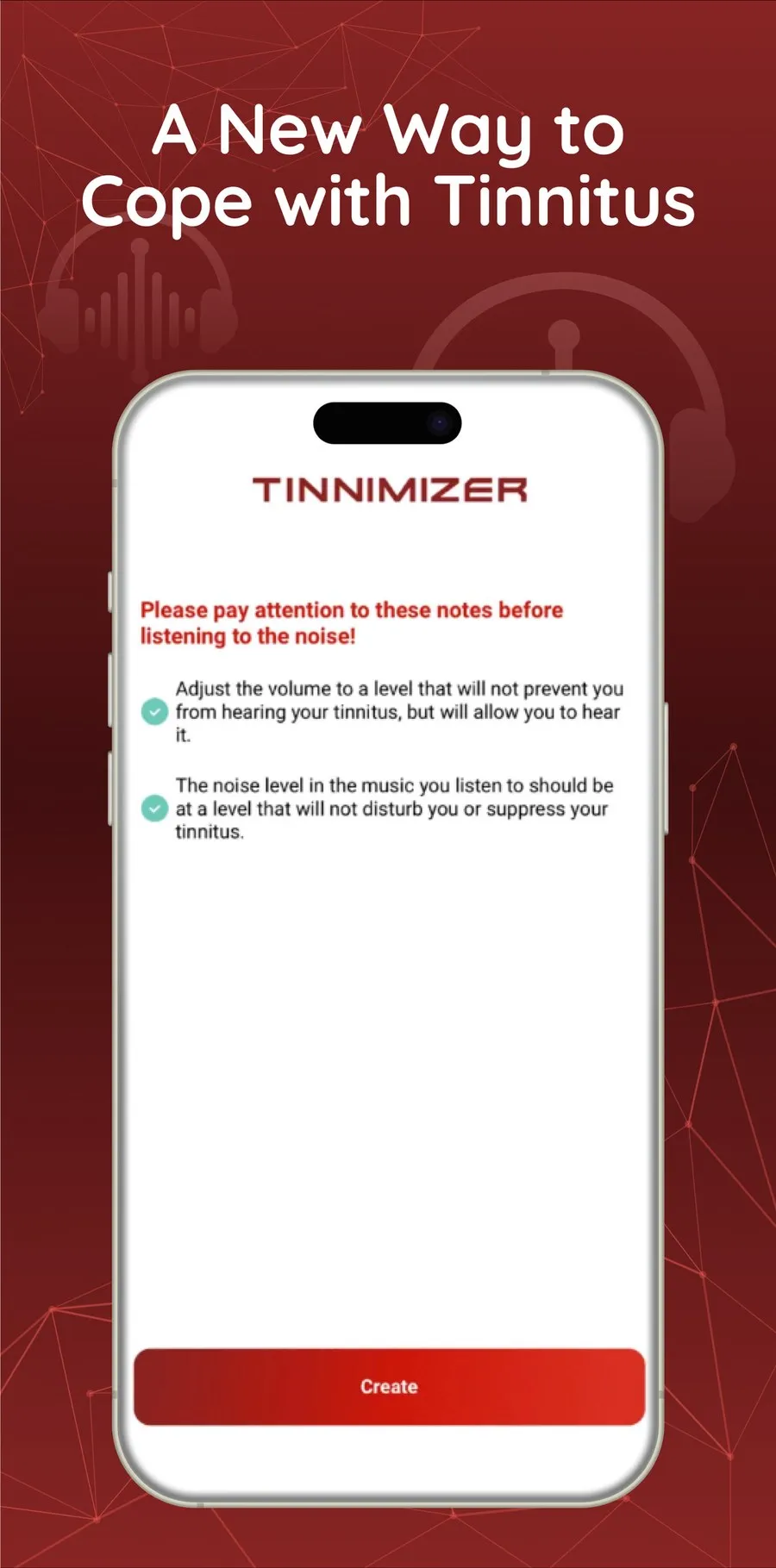
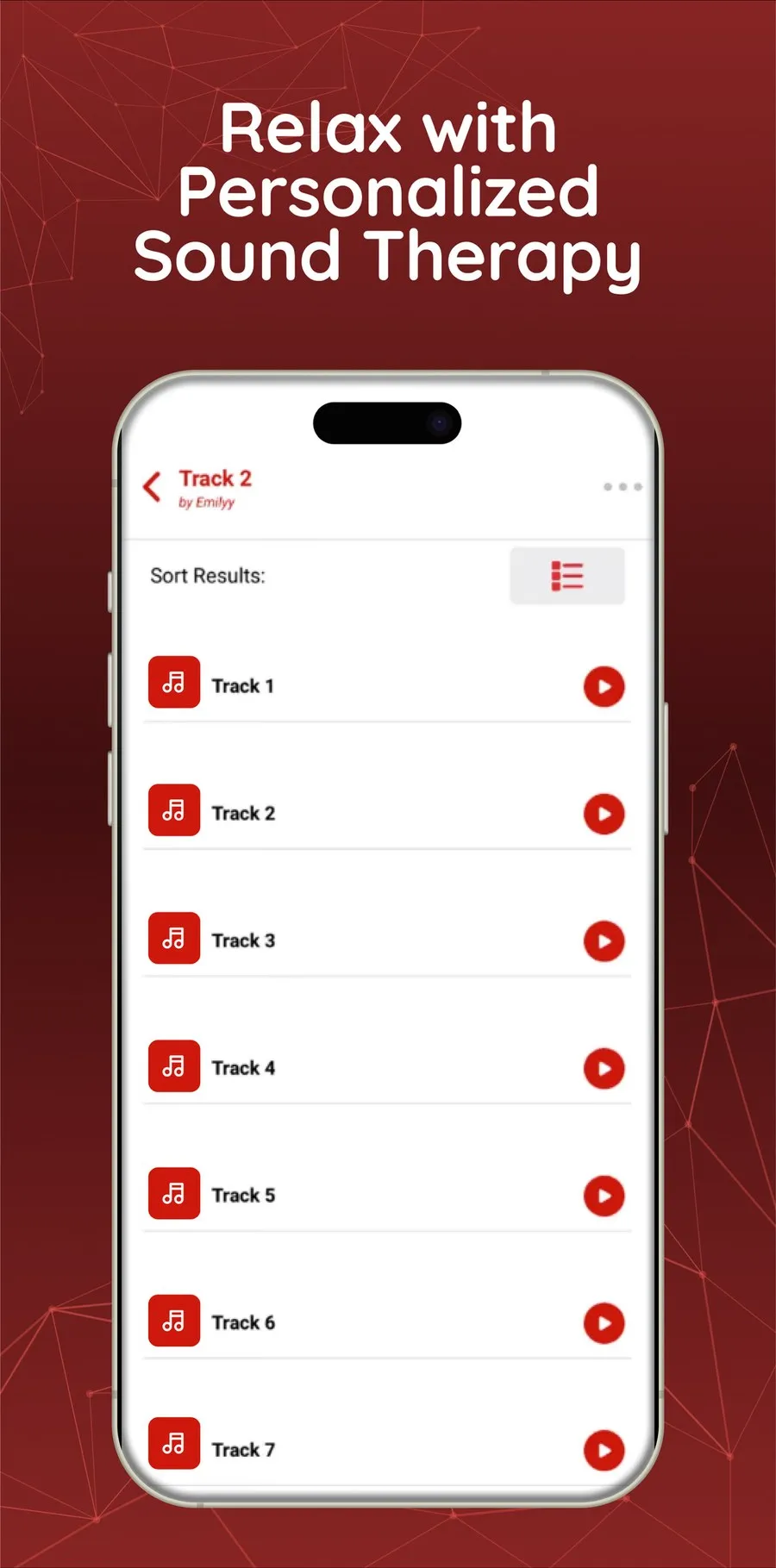
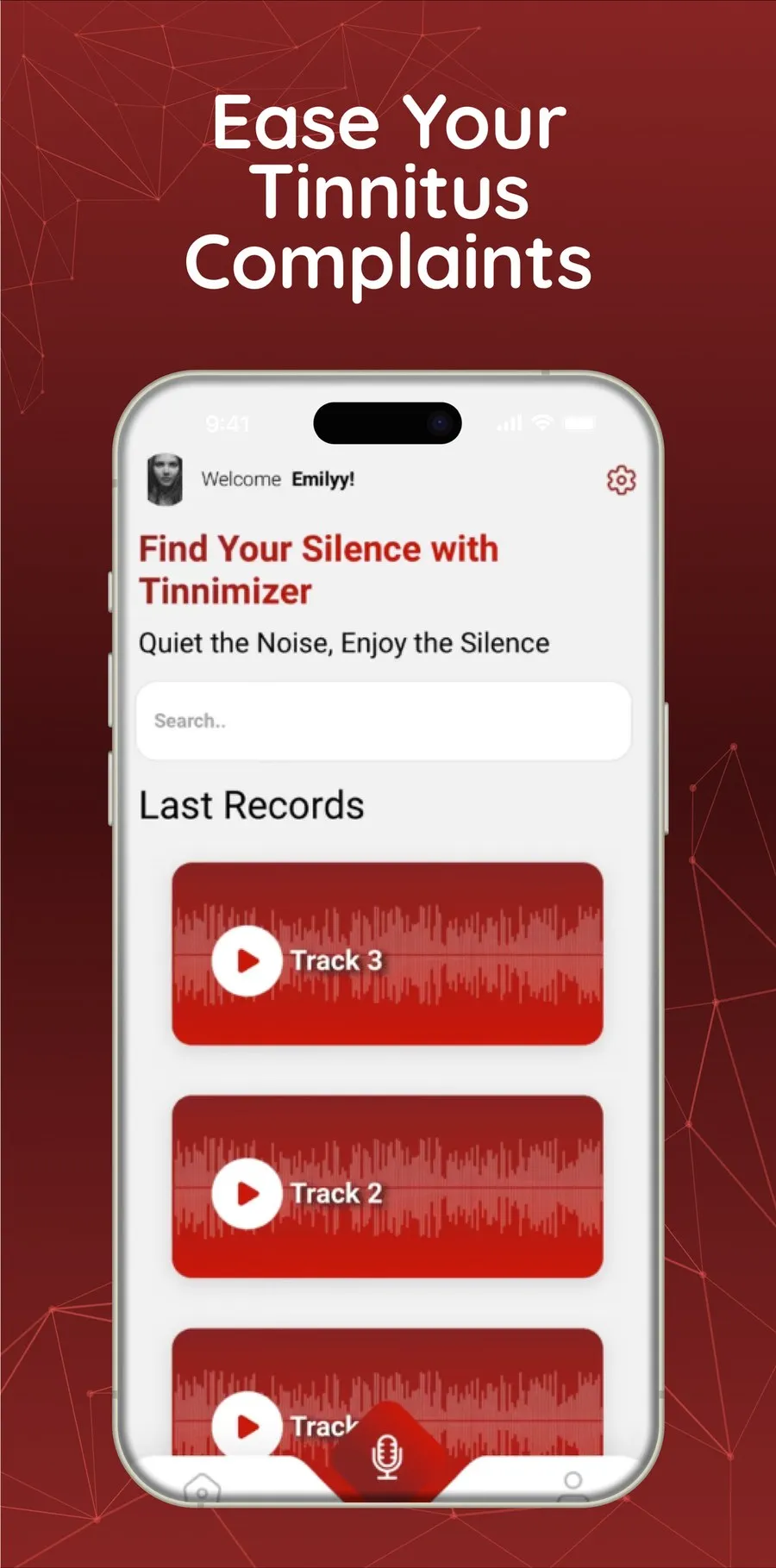
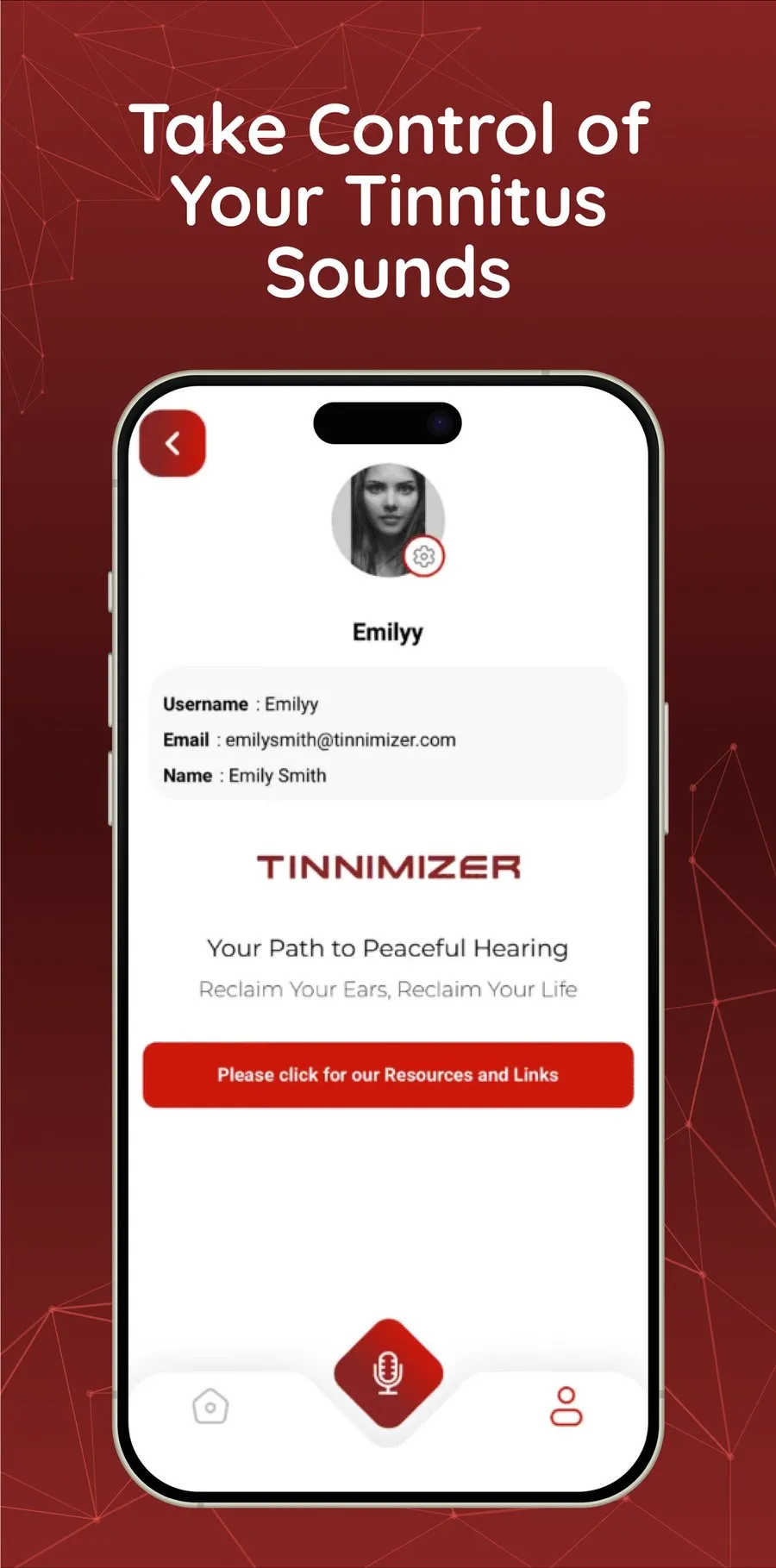
The same screens you see on the App Store: set your levels one frequency at a time, save your sound and come back to it every day.
Why just below your tinnitus
Sound therapy for tinnitus is not about drowning the ringing out. Approaches such as tinnitus retraining therapy use a low, steady sound that blends with the tinnitus, so the brain can learn to treat it as unimportant background noise. That process is called habituation.
The NHS advises people with tinnitus not to sit in total silence, and notes that soft music or sounds, called sound therapy, may distract from it. Tinnimizer turns that advice into a routine: a sound tuned to your own hearing that you can keep on for hours without effort.
How tinnitus sound therapy works · White, pink or brown noise?
Features
Eight adjustable frequencies per ear, from 125 Hz to 8 kHz, with fine control in 1% steps. Ears often differ, so the app treats them separately.
Listen to your personal noise alone or blended under the music you like, with a separate volume for each.
A short headphone test across frequencies that helps you set your sound. It never replaces a hearing test by an audiologist.
A 25-question survey based on the Tinnitus Handicap Inventory, with every score saved so you can see how tinnitus affects you over time.
Habituation takes regular listening, so Tinnimizer is built to run in the background of an ordinary day.
Create a personal noise without an account, in any of 13 languages. Free to use, with an optional Premium plan.
Most tinnitus is not a sign of anything serious, but some kinds need a medical check before any sound therapy.
Based on the NHS guidance on tinnitus: nhs.uk/conditions/tinnitus
Questions
Short answers about the app. See all questions on the FAQ page, and for anything else, write to support@tinnimizer.com.
No. Tinnimizer does not diagnose or treat tinnitus. It is a sound therapy tool that supports the care your doctor or audiologist recommends, by helping you build a daily listening habit.
Quieter than you might expect. Set each frequency so you can still just hear your tinnitus under the sound. Adjust it with your headphones on, then leave your phone volume alone while you listen. For general safe listening limits, see the WHO figures in our guide to headphones and tinnitus.
The app recommends at least one hour a day. It can play during everyday activities such as commuting or working, so it does not need extra time in your day.
There is no fixed timeline, and Tinnimizer does not promise results. It depends on how long you have had tinnitus, how it affects you and how regularly you listen. Studies of clinician-supported habituation programs, such as tinnitus retraining therapy, report changes over months, and your own pace may differ.
Any comfortable headphones or earbuds that play the sound without distortion. Use the same pair you set your sound with, so the levels stay right.
Yes. Tinnimizer is free to download on iPhone and Android and shows ads. Premium is an optional subscription that removes ads and adds premium sounds. The App Store page lists the Premium plans and their prices under In-App Purchases, and both stores show the price and renewal period before you subscribe.
Premium subscriptions are processed by the Apple App Store or Google Play. Tinnimizer does not collect or store your payment card details.
No. Tinnimizer needs an internet connection.
No. Guest mode lets you create a personal noise without an account. If you create one, the privacy policy explains what it stores and how to delete it.
Tinnimizer Pty Ltd, shown as the developer on both app stores. You can reach the team at support@tinnimizer.com.
Download it only from the App Store or Google Play, where Tinnimizer Pty Ltd is named as the developer. It does not diagnose or treat tinnitus, and you never pay through this website. Is Tinnimizer legit? lists the facts you can check yourself.
Your survey answers and sound settings are used to personalize the app, and you can delete your account at any time. Deleting your account or uninstalling the app does not cancel a Premium subscription; cancel it in your App Store or Google Play account first. Read the privacy policy for details.
From the blog
Is tinnitus linked to dementia? What large studies found, why hearing loss matters more, and when memory or concentration problems need a doctor.
Published
Can you stop tinnitus? How to rule out treatable causes, what to try during a flare, what guidelines recommend long term, and when to see a doctor.
Published
What tinnitus apps offer, from sound therapy to digital CBT, what trials and reviews found, and a practical checklist for choosing one safely.
Updated

What tinnitus masking is, how maskers and sound generators differ, total versus partial masking, what reviews found, and how to use masking sounds safely.
Updated
Free tools
Download Tinnimizer, run the hearing check and shape your first sound in a few minutes. No account needed to try it.
Tinnimizer is developed by Tinnimizer Pty Ltd, the developer named on its App Store and Google Play listings. The app supports the care your doctor or audiologist recommends; it does not diagnose or treat any condition.